
Tallahassee sits at an intersection of water that most anglers overlook. Within an hour of downtown, you can fish a nationally recognized reservoir for crappie, paddle a spring-fed river with visibility so good you can watch bass take a fly, or pull redfish and speckled trout from a coastal estuary. That combination - reservoir, spring-run river, and tidal marsh - rarely exists in such proximity anywhere in Florida. Most fishing guides to this area treat it like a footnote, listing a few lake names without telling you when to go, where to launch, or what the rules actually say. This guide fixes that.
Lake Talquin: The Reservoir West of Town
Lake Talquin was created when the Ochlockonee River was dammed west of Tallahassee, making it a reservoir rather than a natural lake. That distinction matters for fishing. The inundated riverbed left behind a maze of submerged timber, old channel edges, and flooded creek arms - precisely the kind of structure that concentrates fish and separates skilled anglers from lucky ones. The lake covers roughly 8,800 acres and stretches across Leon and Gadsden counties.
Access is genuinely broad. The Leon County side, along the Highway 20 corridor, offers seven public boat ramps and five public fishing piers. Cross into Gadsden County and you pick up three more boat ramps and two additional fishing piers. Ten ramps and seven piers across the lake make it approachable with or without a trailer. Most cost nothing to use.
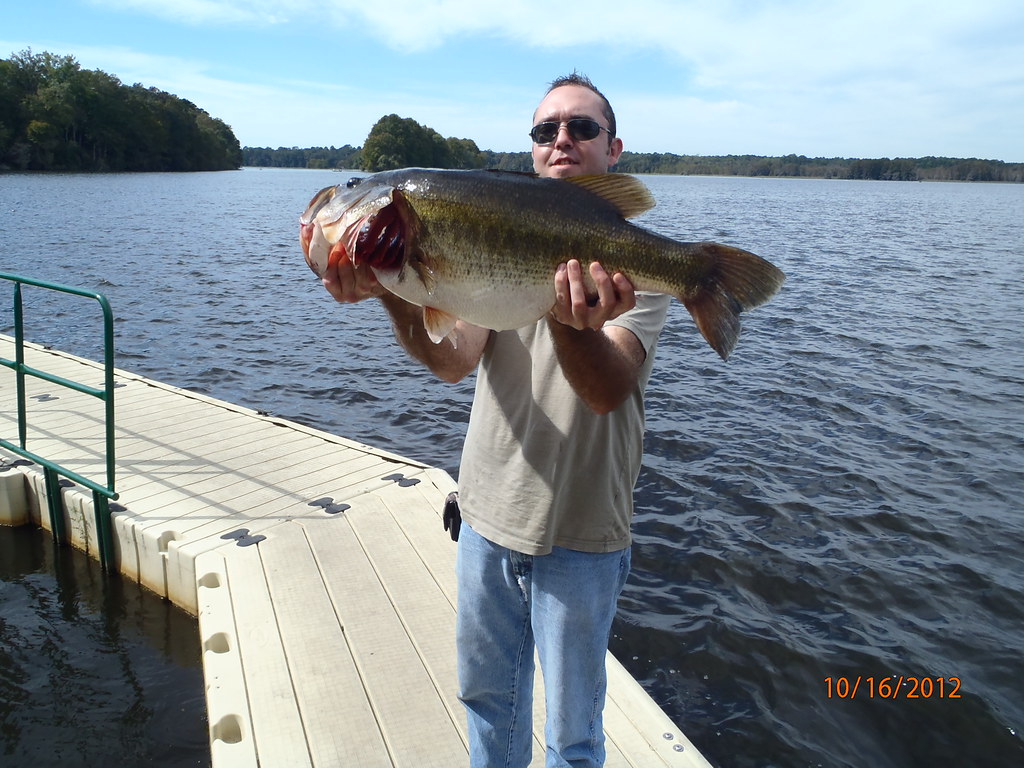
The fish list is long: largemouth bass, black crappie, striped bass, shellcracker, bluegill, catfish, and chain pickerel all live here. But the lake's reputation rests on its crappie.
Crappie Fishing at Lake Talquin: The Reason Anglers Drive From Other States
The Florida Fish and Wildlife Conservation Commission lists Lake Talquin as one of the top crappie lakes in the state. That ranking is not incidental. The lake's submerged timber and old river structure give crappie exactly what they need to reach trophy size, and the fishing can be extraordinary from December through April.
December is when the bite picks up as water temperatures drop and crappie begin staging. January and February are often the most consistent months, with fish concentrated in predictable channel structure. By March and early April, pre-spawn activity pushes fish shallower and makes them more aggressive. That window accounts for most of the out-of-state traffic the lake sees each winter.
The standard technique for serious crappie anglers here is spider rigging - running multiple jigging poles off the sides and bow of a slow-moving boat, covering a wide horizontal swath while trolling at a crawl. The goal is to find fish suspended over channel ledges and points at depths of roughly eight to twelve feet. When you mark a school on the depth finder, you slow to nearly nothing and let the jigs work through them. It is methodical and effective in a way that casual casting is not.
Before you keep a single fish, understand that Lake Talquin operates under a special FWC regulation for crappie that is stricter than the statewide default. There is a minimum length requirement for crappie here, and fish under that size must be released immediately. The FWC put this rule in place specifically to protect the lake's ability to produce the large fish that make it worth fishing. Check the current FWC freshwater regulation summary at myfwc.com before you launch - the specific threshold is listed there and applies to every angler on the water.
The High Bank Recreation Area in Lake Talquin State Forest, located near a submerged structure anglers call the Iron Curtain - a spot where bass and crappie reliably stack in cold months - includes a fishing pier, a boat launch, and primitive camping. Camping fees apply; check current rates and availability with the Florida Forest Service before your trip. If you want an overnight crappie trip without straying far from the lake, this is the place to start.
Bass, Stripers, and Bream at Lake Talquin
Largemouth bass in Lake Talquin follow the classic reservoir pattern. In early spring and again in fall, fish move onto shallow flats and into the edges of submerged timber. The spawning push of March and April brings large females into water that bank anglers can reach from the public piers. Soft plastics worked slowly through timber, topwater lures at dawn, and shallow crankbaits along drop-offs all produce. Summer fishing is possible but demands early mornings - fish move deep during the day and feed only at first and last light.
Striped bass add a dimension to Lake Talquin that most visiting anglers do not expect. The lake holds a striper population that runs active from roughly February through April, which overlaps conveniently with the tail end of crappie season. Live shad and cut bait fished along the main river channel are the standard approach. FWC maintains a special regulation for striped bass at Lake Talquin that establishes both a minimum length and a daily bag limit that differ from statewide defaults. Visit myfwc.com for the current figures before you fish - this is one of the more commonly overlooked rules on the lake.
April and May bring the shellcracker and bluegill spawn. Shellcrackers - also called redear sunfish - build beds in sandy or hard-bottom shallows, and the biting can be relentless during a good run. Small crickets and worms fished under a float are the simple approach. Bluegill behave similarly and can be caught from the public piers without a boat. This is the most accessible fishing the lake offers and coincides with some of the most pleasant weather of the year.
The Wakulla River System: Spring-Fed Clarity Meets Coastal Estuary
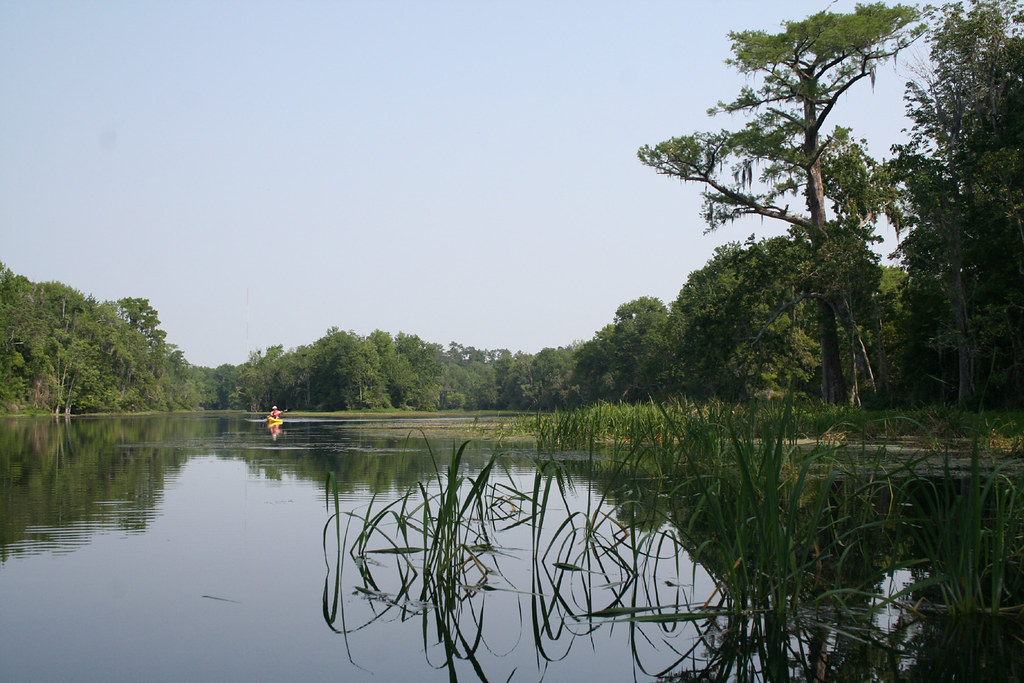
The Wakulla River originates at Wakulla Springs, one of the largest freshwater springs in the world. The spring holds a nearly constant temperature of around 68 to 70 degrees Fahrenheit year-round, and that stability shapes everything about how the river fishes. Species that prefer cooler water thrive here. The clarity stays remarkable through seasons that would cloud up other systems. Aquatic vegetation remains healthy enough to hold fish year-round. The result is a river that looks and behaves unlike most Florida waterways.
That clarity creates extraordinary sight-fishing conditions - watching bass hold behind grass clumps, tracking individual fish before you make a cast. But there is a major regulation change any angler visiting the Wakulla River needs to know before they go.
In December 2024, the FWC suspended all harvest of Suwannee bass on the Wakulla River for a minimum of 24 months. This is not a minor adjustment. The Wakulla was historically considered to have some of the highest Suwannee bass catch rates anywhere in the species' entire range. FWC surveys indicated the population may have been lost from the river entirely - a severe decline that prompted the emergency closure. As of mid-2026, the suspension remains in effect. You can still fish for bass on the Wakulla, but any Suwannee bass caught must be released immediately. Verify the current status of this order at myfwc.com before your trip, since the closure period will eventually expire and conditions may change.
Downstream is where the river's value to coastal anglers becomes clear. Where the Wakulla meets the St. Marks River, the combined waterway drains south into Apalachee Bay - roughly 30 minutes from downtown Tallahassee. That transition zone is where saltwater species appear. Speckled trout hold in the grass beds along tidal flats. Redfish move through oyster bars and creek mouths. Flounder lie on sandy bottom near structure. A flat-bottomed skiff or a kayak can work the upper tidal reaches where redfish often feed in inches of water. No long coastal drive, no offshore boat required.
The Ochlockonee and Wacissa Rivers: Lesser-Known Locals' Picks
The Ochlockonee River feeds Lake Talquin from the north and extends into Georgia, but the stretch between the lake and the coast is where Panhandle anglers have been fishing quietly for decades. The FWC notes the Ochlockonee for its redbreast sunfish fishing during low-water periods - these fish, sometimes called robin perch, stack behind fallen logs and undercut banks and hit small spinners and live crickets aggressively. During high-water events after heavy rain, the river becomes productive catfish water as fish spread into flooded timber and backwater sloughs.
Largemouth bass, bluegill, white bass, and black crappie also live in the Ochlockonee. It is not a trophy fishery for any single species, but its accessibility by kayak makes it a good option for anglers who want solitude and variety. Putting in near the Highway 20 bridge and floating downstream gives you several miles of productive water without encountering much boat traffic most mornings.
The Wacissa River, about 45 minutes east of Tallahassee, is genuinely different. It is a spring-run system with extraordinary clarity - clear enough to watch largemouth bass finning in the current from a kayak before you ever make a cast. The Wacissa holds largemouth bass, Suwannee bass, and bluegill in a setting that feels remote even though it is accessible from a public launch. Sight-fishing with lightweight spinning gear or a fly rod in water you can see through to the sandy bottom is a distinct experience from anything you find at Lake Talquin. The river is narrow enough in stretches that a canoe or kayak suits it far better than anything with a motor.
Neither river gets mentioned on most fishing pages about the Tallahassee area. That gap is the reason they remain productive.
Licenses, Regulations, and Key Rules Before You Launch
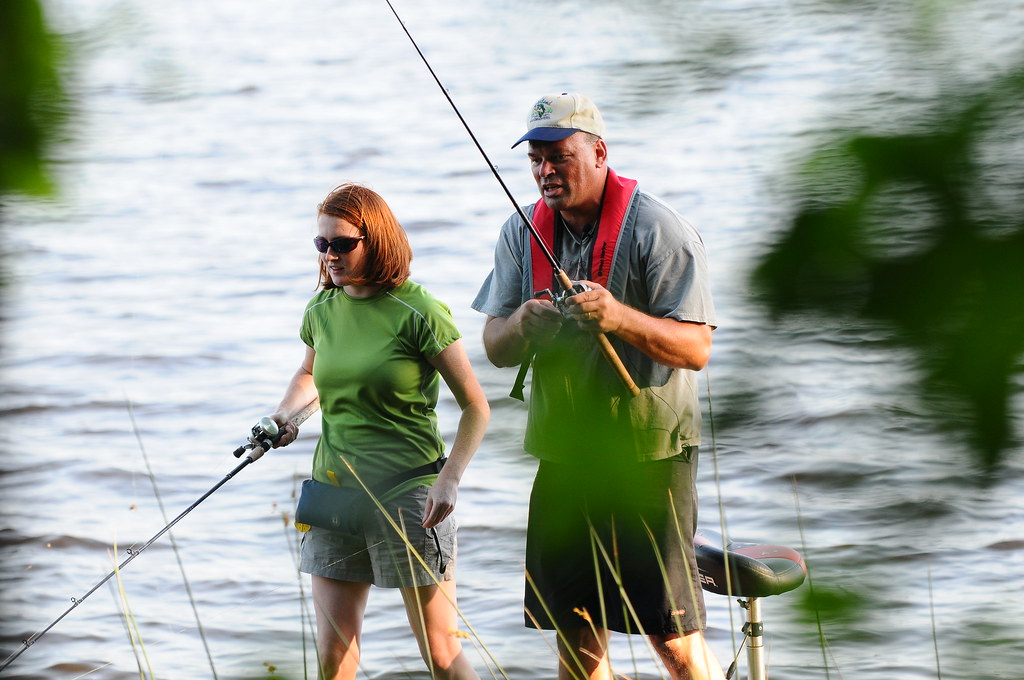
Florida requires a freshwater fishing license for most residents and all non-residents. Resident and non-resident options are available at different price tiers - check the FWC website at myfwc.com or a licensed retailer for current pricing, since these fees are updated periodically. Florida residents 65 and older are exempt from the freshwater license requirement with proof of age and residency. Anglers under 16 are exempt regardless of residency.
Non-resident anglers planning a short trip should verify current purchase options before they arrive, since FWC policies on short-term license sales have changed more than once in recent years. As of mid-2026, short-term non-resident fishing licenses (3-day and 7-day) are available online at GoOutdoorsFlorida.com as well as in person at county tax collector offices and authorized retailers such as Walmart and local bait shops. Check myfwc.com for the latest options before your trip, as licensing policies can change.
Lake Talquin carries two special FWC regulations that override statewide defaults and are rarely posted at the ramps. First, crappie are subject to a minimum length requirement stricter than the statewide rule, requiring immediate release of undersized fish. This rule exists because the trophy-class population that makes the lake famous depends on fish growing past that threshold rather than being harvested young. Second, striped bass at Lake Talquin are subject to both a minimum length and a daily bag limit that differ from what applies on most other Florida waters. Both rules are listed in the FWC freshwater regulation summary - download or print it before you go.
On the Wakulla River, the Suwannee bass harvest suspension issued in December 2024 is the critical regulation. Catch them if you find them - but release every one, immediately.
Guided Trips vs. DIY: What Tallahassee Anglers Should Know
Two licensed guide services operate out of the Tallahassee area with deep experience on these specific waters. Barron Cox Fishing and Lake Talquin Fishing Guides both offer half- and full-day trips targeting largemouth bass, crappie, and bluegill on Lake Talquin and the Wakulla River system. Neither is a side operation - both work these fisheries regularly enough to track where fish are holding week to week.
The case for hiring a guide is strongest during crappie season. The lake's submerged structure is extensive and fish move within it constantly based on temperature and season. A guide who fished the same channel ledge yesterday knows whether the fish have moved and where they went. DIY crappie anglers without quality depth finders and local knowledge often spend half a trip searching for fish a guide would have located in the first hour. If your window is a weekend in January or February and you have driven from out of state, a full day with a guide is a practical investment, not a luxury.
DIY bass fishing from bank or pier is genuinely viable at Lake Talquin, particularly during the spring spawn and the fall transition. The public piers on both the Leon and Gadsden county sides put non-boaters over productive water. The bream run in April and May is simple enough that a child with a cane pole and a cricket will do well from any pier with decent structure nearby.
For the Wacissa or Ochlockonee, a guide is less essential. Both rivers are relatively straightforward to navigate by kayak, and the fishing is exploratory by nature. A day spent working the Wacissa on your own is one of the better low-cost, high-reward trips in this area and requires no local expertise to find fish. For urban fishing with no gear, Lake Bradford on the FSU campus - known locally as the Rez - offers kayak and paddleboard rentals alongside bank access. It is not a trophy destination, but for a casual afternoon within city limits, it fills the gap.
Best Seasons at a Glance and Practical Tips for Visiting Anglers
A month-by-month breakdown helps you decide when the drive is worth it for each fishery:
- December - February: Peak crappie season at Lake Talquin. Spider-rigging over channel structure produces consistently. Striper activity begins by February. Cold nights push fish deep during the day, so morning bites are strongest.
- March - April: Largemouth bass move onto Lake Talquin's shallow flats for the spawn. Striper season peaks in this window. Crappie pre-spawn keeps the bite active through mid-April. Redbreast sunfish start moving in the Ochlockonee during low-water stretches.
- April - May: Shellcracker and bream spawn on Lake Talquin - the best bank and pier fishing of the year, no boat needed. Wacissa bass are active and visible. Coastal redfish and speckled trout near the Wakulla-St. Marks confluence pick up as water warms.
- June - August: Summer heat pushes Lake Talquin bass deep during daylight hours; first and last light are the only reliable windows. Coastal redfish and trout fishing stays good. Catfish in the Ochlockonee are active after heavy rain events.
- September - November: Fall transition pulls bass back to shallow structure on Lake Talquin. Crappie begin staging as October temperatures drop. Coastal speckled trout fishing can be excellent in October and November as fish feed aggressively ahead of winter.
Practical notes for visiting anglers: most Lake Talquin boat ramps are free and require no reservation. The High Bank Recreation Area in Lake Talquin State Forest gives non-boaters pier access and a launch, and primitive camping is available on site - fees apply, so check current rates with the Florida Forest Service before you go. Bait shops near the lake carry live shiners and crickets in season, but call ahead before your trip since stock varies. Non-boaters should start at the public fishing piers on the Leon County side off Highway 20, where parking is straightforward and the piers extend over water deep enough to hold fish year-round. Tuck a printed copy of the current FWC freshwater regulations into your tackle bag when fishing Lake Talquin - the special rules for crappie and striped bass are not posted at the ramps, and knowing them before you cast is the only reliable way to stay in compliance.